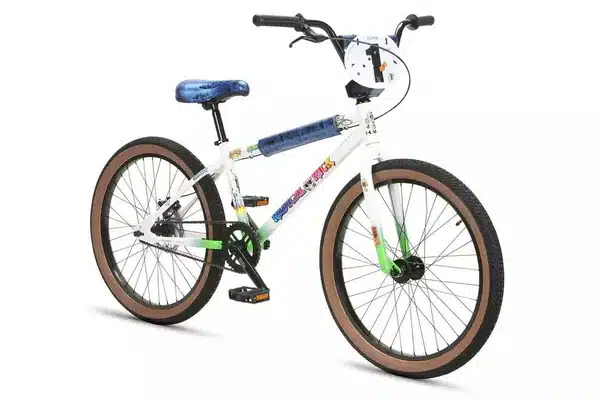
Vintage BMX Bikes
Original & Restored
A definitive reference for collectors, riders, and enthusiasts of the golden era — 1980s through 1990s
Vintage BMX bikes refer to complete BMX bicycles produced primarily during the 1980s and 1990s, a period widely regarded as the golden era of BMX racing and freestyle culture. During this time, BMX evolved from informal dirt-track racing into a globally recognized sport with dedicated racing leagues, freestyle competitions, and iconic riders.
Collectors and riders searching for vintage BMX bikes for sale today are usually choosing between original and restored complete BMX bikes. Understanding the differences between these two categories is essential before making a purchase.
The Rise of Vintage BMX Bikes in the 1980s and 1990s
The early 1980s marked a defining shift in BMX history. Manufacturers began producing complete BMX bikes engineered specifically for performance, durability, and freestyle innovation. This era introduced stronger tubing, improved geometry, and components designed to withstand competitive riding.
Brands such as GT, Mongoose, Haro, and Kuwahara helped shape BMX culture during this period. Organizations like USA BMX and historical archives such as the BMX Museum document the lasting impact of this era on modern BMX.
What Is Considered a Vintage BMX Bike?
A BMX bike is generally considered vintage if it was manufactured between the early 1980s and late 1990s and retains the original design philosophy of that era. This includes frame geometry, materials, and component standards that differ significantly from modern BMX bikes.
Serious collectors prioritize complete vintage BMX bikes, meaning the bike is preserved as a full build rather than assembled from unrelated parts.
Why Complete Vintage BMX Bikes Matter to Collectors
Complete vintage BMX bikes preserve the riding experience intended by the original manufacturer. Frame geometry, component selection, and factory build combinations all play a role in how the bike performs and feels.
Factory Geometry and Period-Correct Design
Head tube angles, chainstay lengths, and bottom bracket heights varied significantly by decade and discipline. These design characteristics influence handling and stability, making completeness an important factor for collectors.
Component Compatibility by Era
During the 1980s and 1990s, BMX components were designed as complete systems. Using mismatched modern components often compromises originality and value.
What Is an Original Complete Vintage BMX Bike?
Collector GradeAn original vintage BMX bike retains its factory-era frame, fork, and core components. Original paint, decals, and correct-era parts are key indicators of authenticity. Light wear consistent with age is normal and often preferred.
A strong example of an original-style build is the 1985 GT Pro Performer, which reflects the design and geometry that defined mid-1980s freestyle BMX.
Who Should Buy an Original Vintage BMX Bike?
Original bikes are best suited for collectors focused on historical accuracy and long-term value. These bikes are typically preserved rather than aggressively ridden.
Original bikes are best suited for collectors focused on historical accuracy and long-term value. These bikes are typically preserved rather than aggressively ridden.
What Is a Restored Complete Vintage BMX Bike?
Rider GradeA restored vintage BMX bike is built around an authentic vintage frame that has been carefully rebuilt using period-correct or accurately reproduced components. Restoration improves safety and rideability while maintaining the correct visual appearance.
Examples include classic restored models such as the 1985 Mongoose Californian and the 1987 Haro Sport.
Who Should Buy a Restored Vintage BMX Bike?
Restored bikes are ideal for riders who want to experience old-school BMX without risking rare original components. They offer a balance between authenticity and usability.
Original vs Restored Vintage BMX Bikes
| Factor | Original | Restored |
|---|---|---|
| Collector Value | Higher | Moderate |
| Rideability | Limited | Excellent |
| Historical Accuracy | Maximum | High (when done correctly) |
| Best For | Collectors | Riders & Display |
How to Choose Between an Original or Restored Vintage BMX Bike
- Choose an original bike for long-term collectibility.
- Choose a restored bike for riding and reliability.
- Consider budget and intended use.
- Prioritize complete builds over part assemblies.
Most Sought-After Vintage BMX Bikes
Some of the most desirable vintage BMX bikes include iconic models such as the 1987 Kuwahara Magician, the 1985 Predator Streetwise, and the Bob Haro Freestyler, all of which reflect the innovation of their time.
How to Verify an Authentic Complete Vintage BMX Bike
- Frame serial numbers matching known production years
- Period-correct geometry and welds
- Era-appropriate components
- Accurate decals and finishes
What Affects the Value of Vintage BMX Bikes?
- Original versus restored condition
- Brand reputation and rarity
- Year of production
- Completeness and overall condition
Why Disclosure Matters When Buying Vintage BMX Bikes
Transparency is essential in the vintage BMX market. Buyers should clearly understand whether a bike is original, restored, or partially updated. Ethical disclosure protects both collectors and sellers.
Where to Buy Authentic Vintage BMX Bikes for Sale
Buying from a specialized shop ensures accurate descriptions and historically correct builds. Explore the current inventory of vintage BMX bikes for sale.
Learn more about restored BMX bikes in our guide: Top Restored 1980s BMX Bikes You Can Buy Today.
FAQs About Vintage BMX Bikes
Key Takeaways About Buying Vintage BMX Bikes
- Vintage BMX bikes typically span the 1980s–1990s
- Original bikes offer higher collector value
- Restored bikes provide better rideability
- Complete bikes are preferred over part builds
- Transparency and disclosure are essential